Full Fibre, Part Fibre and Cable: Three Networks With Three Ceilings
 6 min read
Three houses on the same street order broadband and receive three very different connections. The addresses look identical and the marketing sounds identical, yet the technologies beneath them have ceilings that differ by more than a factor of ten.
Understanding which network serves an address explains far more about the experience than the provider’s name or the advertised speed.
1. What full fibre actually is
Full fibre runs a glass strand all the way to the property, with no copper in the path. Because light carries the signal end to end, the connection supports very high speeds in both directions and is not limited by distance.
It is also the most reliable of the three, since glass does not corrode and is not disturbed by electrical interference. Where it is available, it is the technology the others are trying to approximate.
2. Part fibre and the copper tail
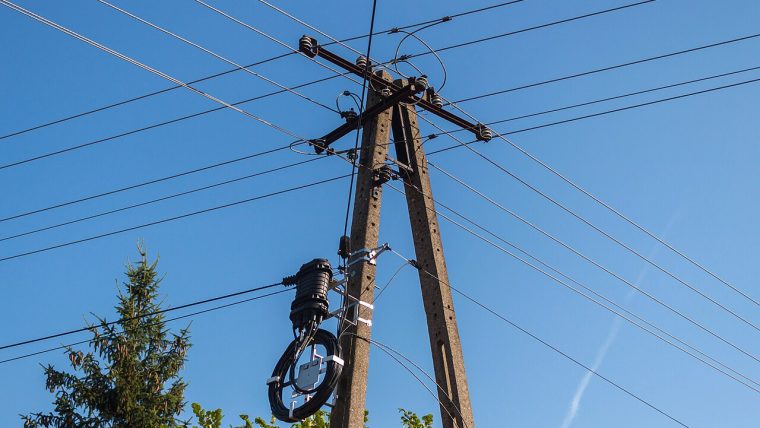
Part fibre runs glass to a street cabinet and then copper from the cabinet to the property. Speeds fall with the length of that final copper segment, which is why neighbours on the same cabinet can receive different results.
The technology is an efficient upgrade of an existing network and a poor predictor of individual performance. The only reliable figure is the one measured at the address in question.
3. Cable and its own architecture
Cable networks use coaxial cable on a shared segment, which produces high download speeds and a much lower upload figure. Performance depends on how many neighbours share the segment at the same moment.
Where cable has been upgraded, it competes well on download. Its upstream and its evening behaviour under load are the two characteristics that separate it from fibre in daily use.
4. The ceiling comparison
Full fibre currently supports multi-gigabit tiers and symmetrical bandwidth. Cable typically tops out near a gigabit downstream with a fraction of that upstream. Part fibre generally lands between forty and several hundred megabits depending on distance.
These are ceilings rather than guarantees. A household on fibre can choose a modest tier and receive an excellent connection, while one on part fibre can choose the top tier and still be limited by the copper.
5. Reliability differences that rarely appear in advertising
Copper is affected by water ingress, corrosion and interference, and part fibre connections inherit those failure modes. Cable is generally robust but shared faults affect whole segments at once.
Fibre’s failure modes are fewer and tend to be physical rather than electrical. Households that have moved from copper to fibre frequently report that the connection simply stopped needing attention.
6. Symmetry and what it enables
Symmetrical bandwidth changes what a household can do rather than merely how quickly it downloads. Backups, remote work, content uploading and multi-party video all depend on upstream capacity.
On part fibre and cable those activities compete for a small upstream allowance. On fibre they do not, which is the practical difference the technology delivers.
7. Installation and disruption
Full fibre usually requires a new cable into the property, which means a visit, sometimes a small amount of drilling and occasionally permission for external work. Part fibre activations are often remote and immediate.
The inconvenience is a one-time cost and is usually outweighed within the first contract. Households that defer fibre because of the installation frequently spend longer than the installation would have taken debating it.
8. How availability is decided
Build programmes follow commercial logic, prioritising areas where demand and cost justify the work. Two streets a few hundred metres apart can therefore differ for years.
Availability checker results change frequently, so a check made last year is not a reliable guide. Rechecking takes a minute and occasionally reveals that the answer has changed.
9. Pricing across the three
Mid-tier full fibre is often priced close to top-tier part fibre, because the newer network has lower marginal costs. Comparing by tier name across technologies is therefore misleading.
Comparing by delivered performance at the address, and by total cost across the term, is the approach that survives the differences in how the tiers are labelled.
10. Where each technology makes sense
Full fibre is the natural choice wherever it is available and the household intends to stay. Cable suits heavy downloaders where upstream demand is light. Part fibre remains the practical option where nothing better has been built.
None of these is a moral judgement about the household. They are statements about what each network can physically deliver, and what each costs to provide.
11. Reading an availability result properly
Check the technology as well as the availability, since a “fibre available” result can mean full fibre from one provider and part fibre from another. The two are not the same product.
Asking specifically for the connection type at the address, rather than the brand name of the service, is what makes the result meaningful.
13. Which network is at your address
Availability checkers state the technology as well as the provider, and the two matter equally. A result that says fibre may mean full fibre from one operator and part fibre from another.
Recording the technology against the address, rather than the brand name, produces a comparison that survives a change of provider.
14. The upgrade path on each network
Full fibre improves over time through equipment changes at each end rather than through new cabling. Part fibre only improves if the copper segment shortens or is replaced. Cable improves when the operator splits the shared segment.
Knowing the upgrade path tells a household whether today’s ceiling is likely to rise, which matters when signing a long contract.
15. Environmental and practical differences
Fibre is unaffected by electrical interference and by water ingress, which is why it tends to be the most stable of the three. Copper is more exposed to both, and cable sits between them.
Stability affects the frequency of faults rather than the headline speed, and it is felt over years rather than days.
16. What to do when two technologies are available
Where both are offered, compare them on the performance the household needs rather than on the tier names, then on total cost across the term. The result frequently differs from the marketing hierarchy.
Two available technologies also mean two competing providers, which usually improves the terms on offer.
17. What availability means at the address level
Availability is recorded per premises, and the record can be wrong, missing or out of date. A property that appears unserviceable may simply be absent from the database that the retail checkers query.
Getting the record corrected is administrative and occasionally decisive for a rural address.
18. Why the same provider quotes different prices nearby
Where competition differs street by street, so does pricing. An address with two networks available attracts keener offers than one with a single option, and the provider knows which is which.
Checking the address specifically, rather than the town, produces the price that actually applies.
19. Choosing between two available technologies
Where both fibre and cable reach a property, comparing them on upload and on evening behaviour is more informative than comparing headline download figures.
Two technologies also mean two providers competing, which usually improves the terms available on both.
Three networks, three sets of limits, and one address that receives exactly one of them. Knowing which one you have explains most of what follows.
Nicholas Burnham
Tests household broadband packages and writes up what the small print actually costs. Everything here is measured or sourced, never taken from a press release.