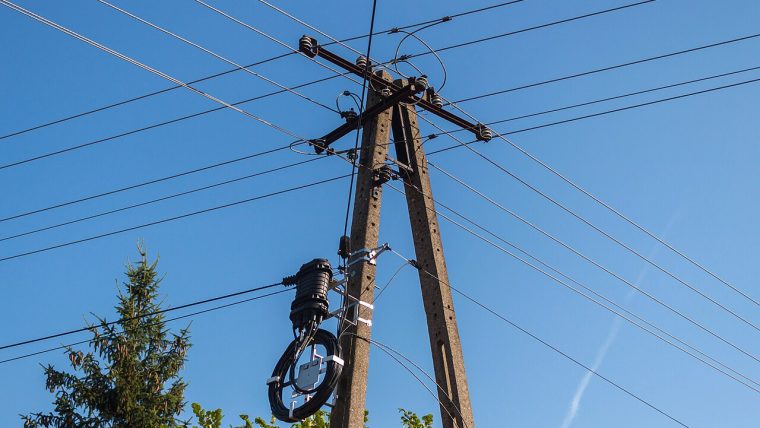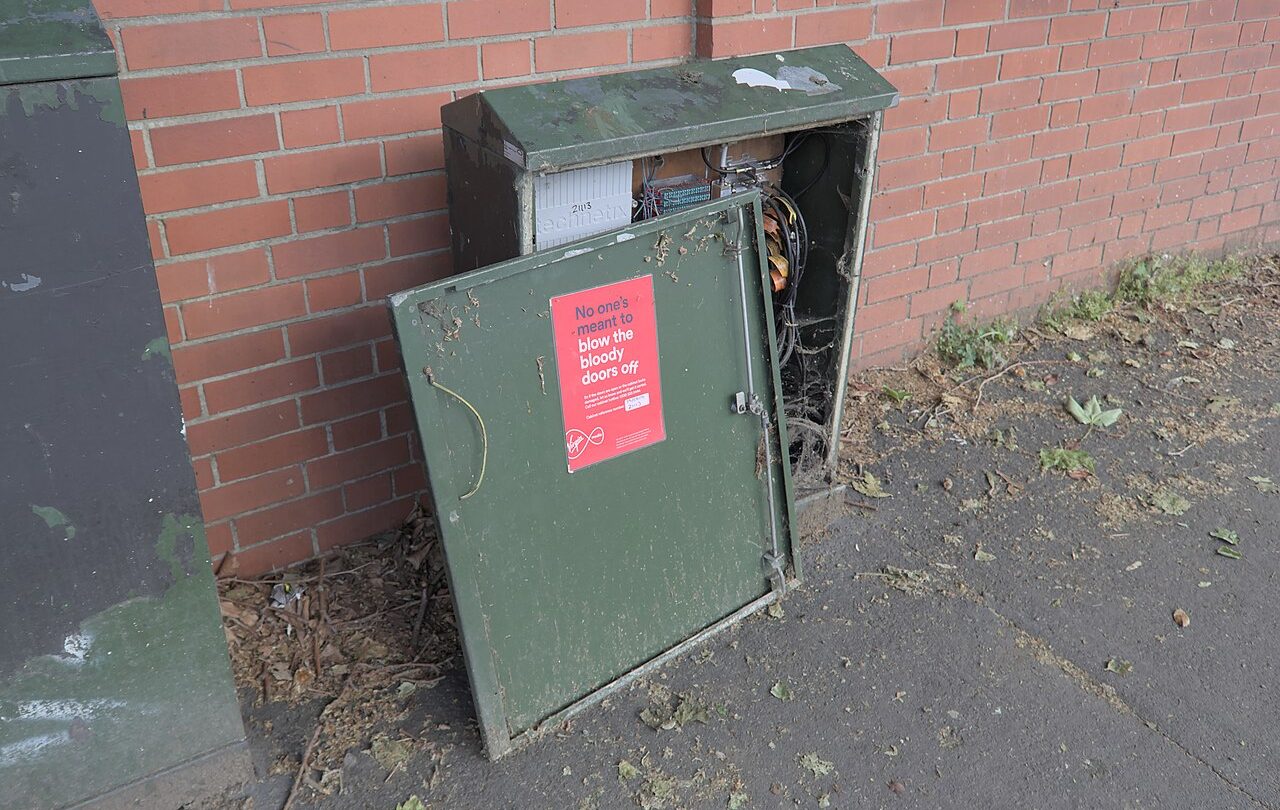
Two households order internet on the same street on the same day, and one is quoted eleven pounds less than the other. Neither provider is being unfair, and neither customer made a mistake. The difference is who owns the cable outside the door.
Broadband pricing follows the ownership of the physical network far more closely than it follows the brand printed on the bill, and that ownership is rarely visible to a customer.
1. Wholesale and retail, two businesses in one bill
In most markets one company builds and operates the cables, and several companies buy access to them and resell it under their own brand. The builder earns wholesale revenue, and the reseller earns the margin on the retail price.
The brand a household recognises is usually the reseller, which is why two very different-looking companies can be selling an identical physical connection at different prices.
Understanding the split matters because the underlying performance is often the same, and only the service wrapper differs.
2. Open access networks and the competition they create
Where a network is required to sell access to any provider on equal terms, the retail market becomes genuinely competitive. Several providers sell identical connectivity, and they compete on service rather than on infrastructure.
This arrangement tends to produce lower retail prices and faster fault handling, because an unhappy customer can switch brand without changing anything physical at the property.
It also produces confusing marketing, since every provider claims network quality that none of them actually controls.
3. Vertically integrated providers and their own margin
Where a provider owns both the network and the retail operation, it sets its own wholesale economics and can price aggressively in areas where it faces competition. The same provider may be expensive in one town and cheap in another.
This is the main reason national price comparisons mislead. A provider’s average price says nothing about what it charges at a specific address, and the local answer is the only relevant one.
Checking prices by postcode rather than by headline advertisement is the only way to see this clearly.
4. Alternative network builders and local pricing
Smaller builders often target areas the incumbent has neglected and price to win customers quickly. Their offers can be substantially better than anything available on the older network, at least while they are building share.
Their financial position varies, and a very cheap offer from a small builder carries a commercial risk that a large incumbent does not. That risk is real and worth weighing against the saving.
Where a builder is well funded and has a track record, the price advantage is usually genuine rather than a promotional artefact.
5. Why the same street can have two prices
Where two networks overlap, a household can often choose between them, and the providers know it. Competition on a street lowers prices on that street specifically, not in the town as a whole.
Where only one network reaches the property, the price reflects a local monopoly regardless of how competitive the national market appears in advertising.
Checking which networks are physically available at the address is the first step to understanding which of these two situations applies.
6. Regulated wholesale prices and their limits
Where a network is judged to have significant market power, regulators may cap the wholesale price it can charge. Those caps protect retail providers and, indirectly, the prices households see.
The caps apply to the wholesale layer and do not set retail prices, so a competitive market with a capped wholesale rate can still produce wide retail variation.
Knowing a cap exists is useful mainly because it explains why some apparently similar offers land within a pound or two of each other.
7. Duct and pole access as a price lever
Regulators sometimes require the incumbent to let other builders use its ducts and poles, which lowers the cost of building a competing network. Cheaper construction means more competition and, eventually, lower prices.
This is one of the few regulatory levers that changes household prices over a multi-year period rather than immediately.
Where such access has been granted, the arrival of a second network on a street typically follows within a few years.
8. Service quality differences at the same price
Where several providers sell the same physical connection, the differences are support, billing, contract terms and the router supplied. These are genuinely meaningful and are the only things a customer is actually choosing between.
Comparing them directly, rather than comparing network claims that no provider controls, produces a better decision.
Reading a few recent support experiences is worth more than any statement about network quality in advertising.
9. Switching between providers on the same network
Where several providers share a network, switching is usually quick because no physical work is required. The service simply moves to a new billing relationship on the same cable.
This speed is a genuine consumer advantage and is frequently underused, because households assume a switch is a disruptive event.
In practice such a switch often completes in under a fortnight with no visit and no interruption beyond a short reconnection.
10. What a household can and cannot influence
A household cannot change which network passes the property, and it cannot change the wholesale economics behind the price. It can choose among the providers selling on that network and can negotiate within that set.
Recognising the boundary prevents wasted effort on questions that have no answer, and focuses attention on the choices that actually exist.
The set of available providers is usually larger than a household assumes, and worth enumerating once at the start.
11. Reading an offer with ownership in mind
Establish which network the offer runs over, whether that network is open to other providers, and how many providers sell on it. Those three answers explain most of the price.
Then compare the things the customer actually controls: contract length, support, router, and the post-discount price.
The exercise takes a few minutes and replaces brand impressions with something closer to a fact.
12. Where the price advantage disappears
A promotional price from a competing network builder usually rises once the build phase ends and the customer base is established. Households that switch during the promotional window get the benefit; those that arrive later often do not.
Treating a very cheap offer as a temporary condition rather than a permanent price is the realistic approach.
Planning to renegotiate at the end of the term costs nothing and preserves the advantage for a second period.
13. Infrastructure as the explanation for most differences
Most of what looks like arbitrary pricing is the ownership of a cable and the number of companies allowed to sell access to it. Once that is known, the local market stops looking random.
Households that establish it on their own street make better decisions than those comparing national advertisements.
The information is available from availability checkers and takes roughly the length of a coffee break to assemble.
14. The practical position for a household
Find out which networks reach the address, list every provider selling on each, and compare those providers on the terms they control. That is the whole method.
Where two networks overlap, expect the prices to be keener and the negotiation to be easier, because a credible alternative genuinely exists.
Where only one network reaches the property, expect less movement and plan the negotiation accordingly.

Nicholas Burnham
Tests household broadband packages and writes up what the small print actually costs. Everything here is measured or sourced, never taken from a press release.