Reading a Broadband Bill Line by Line, From Month One to Month Twenty-Four
 6 min read
One bill is a single number and a payment date. The other is the same amount spread across six lines, four of which change at different times. Households on the first kind of bill almost always know what they pay. Households on the second kind frequently do not.
Reading the second kind properly is a skill, and it takes about fifteen minutes the first time and two minutes thereafter.
1. The package line, and the period it applies to
The main charge carries a date range. If the discount on that line is time-limited, the range is the only place the expiry appears, and it is printed in a font no larger than the rest.
Photograph the line, note the end date in a calendar, and set a reminder a fortnight before. Almost every unpleasant broadband surprise is a date that passed unnoticed rather than a charge that appeared from nowhere.
2. Broadband, line rental and the split that hides a total
Some providers separate the connection charge from the line rental even when they supply both over their own network. The split makes historical sense and serves no purpose for a customer trying to compare totals.
Add the two lines before comparing with anything. An offer quoted as a single figure is being compared against half an offer when you forget this, and the difference is usually substantial.
3. Equipment rental, month after month
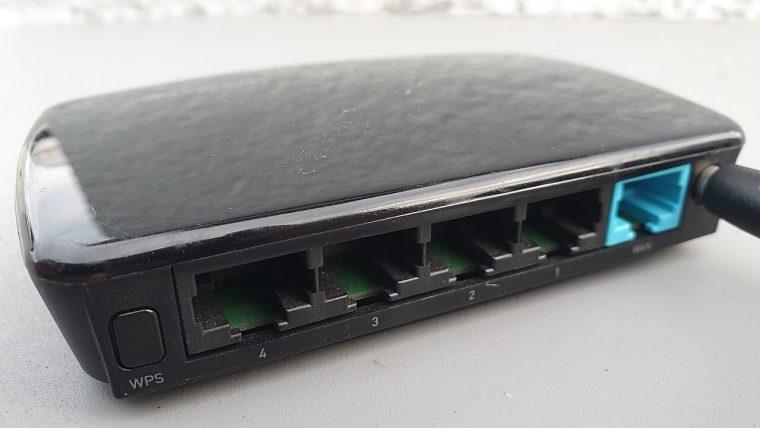
This line is stable, unremarkable and constant. That constancy is precisely why it is easy to stop noticing, and why it survives several rounds of negotiation without being questioned.
Check whether the equipment is ever owned rather than rented. Buying a router outright is often cheaper than three years of rental, and the purchase removes a line that otherwise grows with every contract extension.
4. One-off charges and the month they land
Activation fees and installation charges appear once, usually on the first or second bill. They make month one an unreliable guide to what the contract costs per month.
When comparing two offers, either add the one-off charges into both totals or exclude them from both. Mixing the two approaches is how a cheaper package acquires a reputation it does not deserve.
5. The annual adjustment as its own event
Where an index-linked increase applies, it typically arrives in the spring and appears as a changed package price rather than a new line. Nothing on the bill announces it; the number simply differs from last month.
Note the month it happens and compare that bill against the one before. An adjustment of a few percent on a large package is a larger absolute increase than the same percentage on a small one, which is worth remembering when choosing a tier.
6. Add-ons that arrived with a trial period
Streaming subscriptions, security packages and speed boosts are frequently attached with a free first month. The charge begins quietly, and it begins whether or not the service was used.
Review every add-on once a quarter and cancel anything unrecognised. Providers are generally prompt about adding these lines and unhurried about removing them.
7. Out-of-contract pricing, the largest single jump
When the minimum term expires, the price normally rises to a standard rate that is higher than anything during the contract. This is the most expensive line a household can be on, and it is the default for anyone who takes no action.
The renewal offer is available before the term ends. Asking for it costs a phone call, and the difference between the out-of-contract rate and the renewal rate is typically the largest figure anywhere on the bill.
8. Payment method and discount traps
Some tariffs carry a small discount for direct debit or paperless billing, and the discount is withdrawn if the payment method changes. A bank switch or a lapsed card can quietly remove it.
Check the discount line after any payment change. It is one of the few lines that can disappear through no decision of your own.
9. Reading three bills in sequence
No single bill shows a trend. Three consecutive bills do: which lines are stable, which are drifting and which appear only in certain months.
Lay them side by side once a year. Tariff creep is invisible month to month and obvious across a year, and the exercise takes less time than reading the provider’s annual statement.
10. What a clean bill looks like
A well-structured bill has few lines, each with a clear purpose and a stable amount. Where a bill has many lines and several of them move independently, the structure is doing work for the provider rather than for you.
That is not a reason to change provider by itself. It is a reason to read more carefully, because complexity costs the reader time and rarely costs the writer anything.
11. Keeping a one-page record
Write the current package price, the equipment rental, the contract end date and the exit fee on a single sheet. Update it once a year and when anything changes.
Households that keep this record negotiate from a stronger position, simply because they know their own numbers before the conversation begins. Everyone else is guessing at a figure the provider already has.
12. Bills that arrive as one number
A single-figure bill is easier to read and harder to audit, because the components have already been combined by the provider. Households on such tariffs frequently discover a change only by comparing with a bill from a year earlier.
Where a provider offers a breakdown on request, asking for it once establishes what the total contains and makes later changes visible.
13. Annual adjustments and the month they land
Where an index-linked clause applies, the increase usually appears in a fixed month and shows up as a different total rather than as a new line item. Nothing announces it and nothing distinguishes it from a billing error.
Noting which month the adjustment falls in, and comparing that bill with its predecessor, converts an invisible change into a known annual event.
14. Discounts that require you to notice
Paperless billing credits, direct debit discounts and loyalty reductions are all conditional on something continuing. Changing a bank account, missing a payment or opting out of paperless billing can remove them without any decision being made.
Checking those lines after any administrative change is a two-minute habit that prevents a small permanent increase.
15. What a bill review actually produces
A household that reads three consecutive bills once a year typically finds one expired discount, one unused add-on and one adjustment it had not noticed. The sum is usually larger than any single negotiation could recover.
The review takes twenty minutes and requires no contact with the provider at all.
16. Why the line items exist at all
Regulation and legacy billing systems both shape what appears on a broadband invoice. Some lines are required disclosures and others are simply inherited from a time when services were billed separately. Neither category is designed to be read.
Reading them anyway is the only way to know what is being paid for, because the total conceals the composition by design rather than by accident.
17. The bill as a record of the contract
Each line corresponds to something agreed at sign-up, and the contract states what each one should be. Where a line differs from the contract, the contract is the reference and the bill is the question.
Keeping both documents together makes that comparison possible in a single sitting, once a year, in about twenty minutes.
The bill is not designed to be read closely, which is a good reason to read it closely anyway. Two minutes a quarter is the whole cost of never being surprised by it.
Nicholas Burnham
Tests household broadband packages and writes up what the small print actually costs. Everything here is measured or sourced, never taken from a press release.